REVIEW · FOOD
Rome: Food and Wine Tour, Trastevere and Jewish Ghetto
Book on GetYourGuide →Operated by Doooing · Bookable on GetYourGuide
Your stomach leads the way. This Rome food and wine tour links neighborhood stories to real eating, from pizza by the slice and supplì to a pasta course where you can choose classics like carbonara. I also like that it finishes with carciofo alla giudia and a proper gelato stop, not just one last bite. The main thing to consider is timing and format: even though it’s sold as 3 hours, some departures can feel closer to 2, and the wine side may be lighter than you expect.
Starting in Piazza Trilussa keeps things easy to reach on foot, and the guide (often English or Italian) carries a blue flag with the Doooing Experience logo so you don’t play hide-and-seek. Along the way, you get a guided walk through Santa Maria in Trastevere, plus included entry to the basilica.
If you care about how food connects to place—street corners, old churches, and the Tiber’s pull—you’ll enjoy the flow. I also love the very specific visual detail here: the basilica is known for 22 granite columns with Ionic and Corinthian capitals, reused from the Baths of Caracalla.
In This Review
- Key Points You’ll Care About Before Booking
- Where You Meet and How the Tour Actually Feels
- Trastevere Street Bites: Pizza by the Slice and Supplì
- Santa Maria in Trastevere and the 22 Granite Columns
- Wine Time in Historic Trastevere Taverns (and Pasta Choice)
- The Tiber Crossing and the Jump to Jewish Ghetto Flavors
- Carciofo alla Giudia at a Kosher Spot (What to Expect)
- Gelato Finish: Sweet Closure Without the Aftertaste
- Price and Value: What $94 Buys in Food, Wine, and Guidance
- Who Should Book This Tour (and Who Should Skip It)
- Practical Tips to Get the Most Out of It
- Should You Book This Rome Food and Wine Tour?
- FAQ
- How long is the Rome food and wine tour?
- Where do I meet the guide?
- What food and drinks are included?
- Is transportation included?
- What languages are the tours offered in?
- Is this tour suitable for celiac disease or lactose intolerance?
- Are pets allowed?
- Can I cancel for a full refund?
Key Points You’ll Care About Before Booking
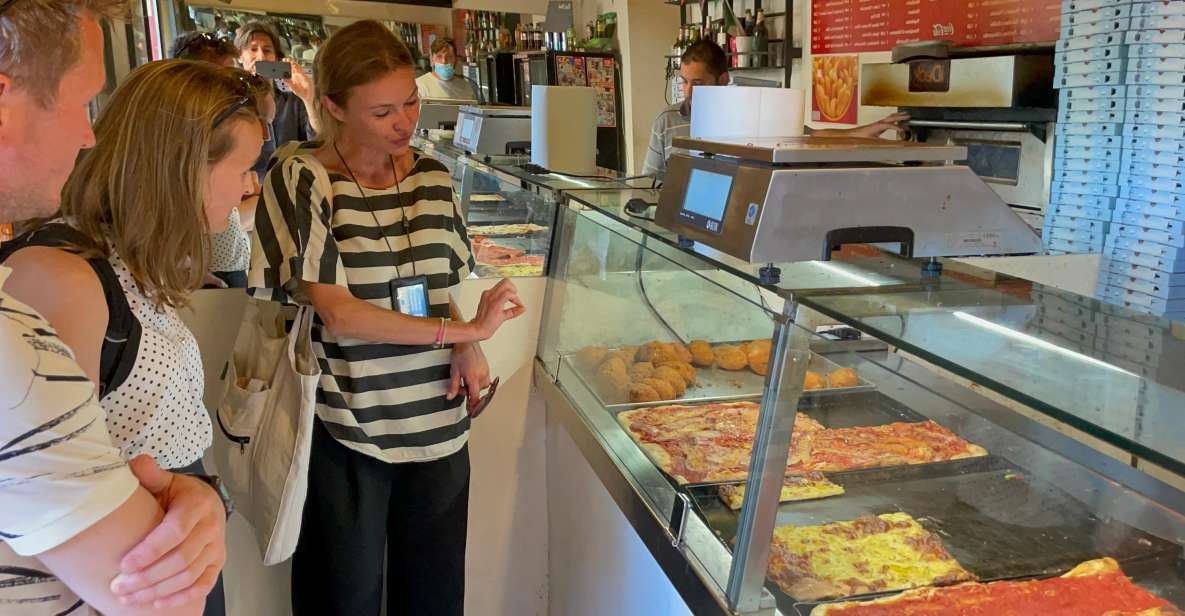
- Roman classics are built into the menu: pizza by the slice, supplì, and a pasta choice that can include carbonara, cacio e pepe, amatriciana, or gricia
- You get both Trastevere and the Jewish Ghetto in one walk, with a stop for carciofo alla giudia from a kosher restaurant
- Wine is included, but it may be served as small pours or a shared carafe rather than a long, formal tasting session
- The basilica stop is real and specific: Santa Maria in Trastevere and its 22 granite columns from the Baths of Caracalla
- Guide quality can make or break it, and the strongest praise centers on warm, funny, and history-literate guides like Luca, Tiziana, and Alessia
- Expect lots of tasting and walking, not a slow, multi-hour sit-down meal parade
Where You Meet and How the Tour Actually Feels
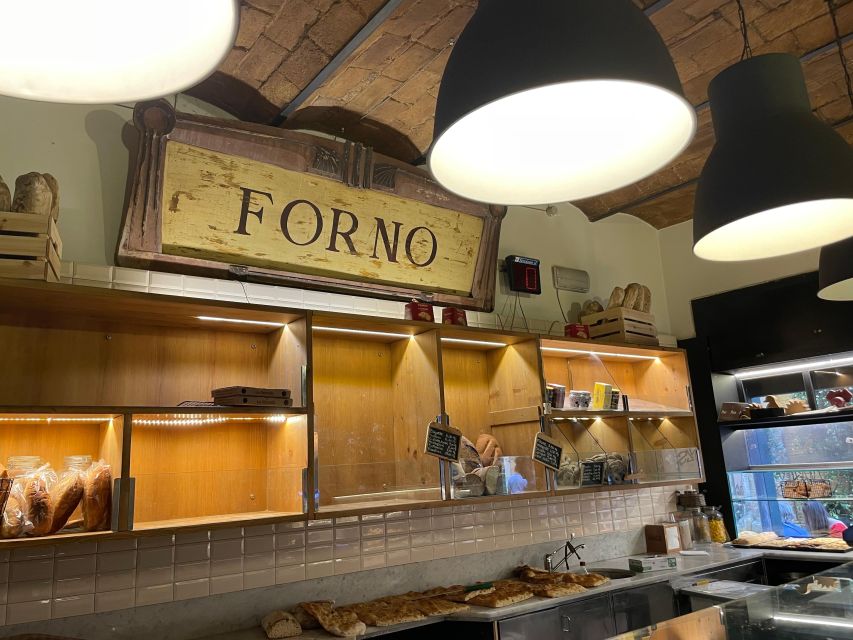
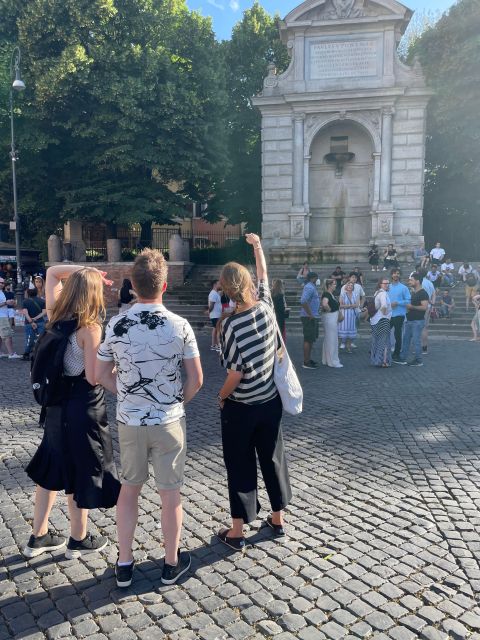
Meet at Piazza Trilussa, in the middle of the square, just in front of the stairs. Your guide will be holding a blue flag with the Doooing Experience logo, and you should arrive 15 minutes early. The tour runs about 3 hours, but I’d treat that as a best-case target in Rome traffic and restaurant scheduling.
This is a guided walking tour, and that matters. You’ll be moving often, stopping to eat, then moving again. That keeps it lively and prevents the experience from turning into one long meal. The trade-off is that you may not sit in every place for a long time—some tastings can be more snack-sized than full portions.
The vibe is street-to-tavern-to-church-to-neighborhood. If you like your Rome days active, with a plan and a bite each time you turn a corner, this works.
Trastevere Street Bites: Pizza by the Slice and Supplì
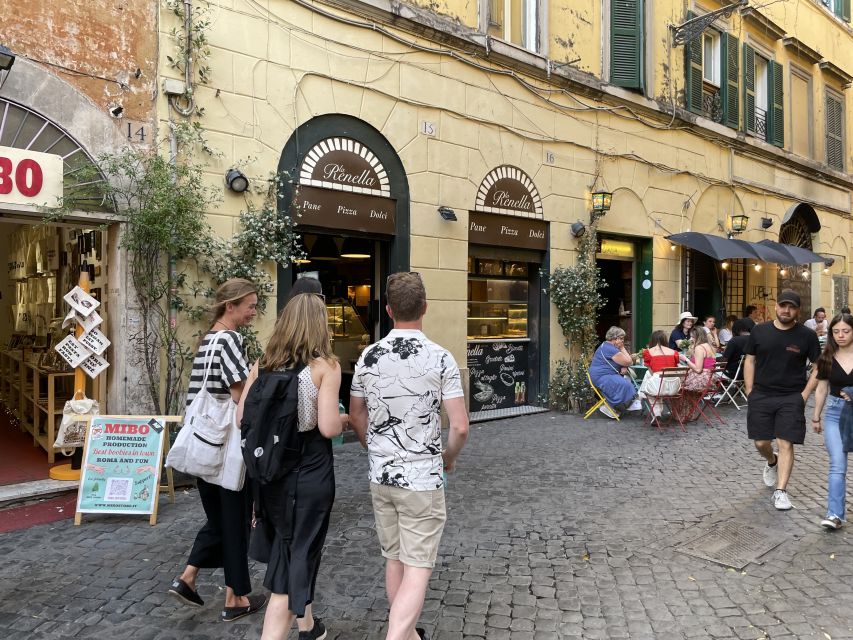
You’ll start with that Trastevere-feels energy around Piazza Trilussa and little lanes like Vicolo del Cinque. The tour is set up as a food-first walk, so you don’t just hear about Roman cuisine—you taste it early.
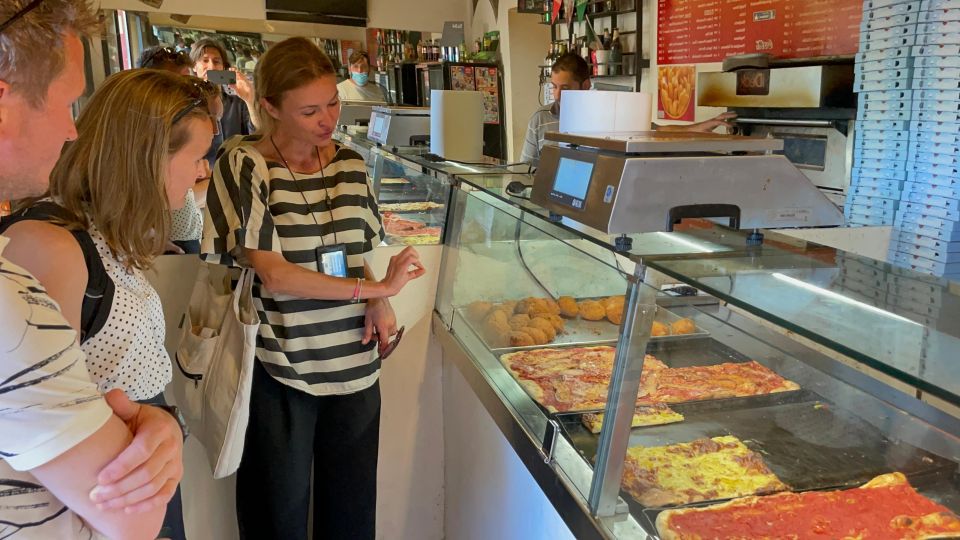
Expect two specifically Roman tastings right away: pizza by the slice and supplì (those crisp, fried rice balls). This is a smart way to begin because it tells your body what you’re about to chase for the next few hours: fried comfort, creamy interiors, and that Roman preference for simple, confident flavors.
Also, pay attention to pacing. One review note that some stops can feel more like quick tastings than full servings, and that can be true on street-food focused routes. If you’re the type who wants to linger and take your time, keep your expectations flexible for the first part.
Santa Maria in Trastevere and the 22 Granite Columns
Between the food stops, you’ll walk toward Santa Maria in Trastevere via del Moro. This is one of those Rome moments that feels like a pause button: you go from narrow streets and food smells to a basilica stop with a strong architectural story.
Included entry matters here. You’ll see the basilica’s 22 granite columns with Ionic and Corinthian capitals, and you’ll get the context that these columns were brought from the Baths of Caracalla. That detail is the kind of thing you might miss if you’re just sightseeing on your own.
What’s good about mixing this with a food tour? It changes your perspective. In Trastevere, the neighborhoods and the buildings aren’t separate from daily life—they’re the background your meals grow out of. A short guided stop like this gives you something lasting beyond the flavors.
Timing note: churches can slow groups down slightly. If the Jubilee has routes under restoration, the schedule and access can change, so it’s worth checking any updates you receive before you go.
Wine Time in Historic Trastevere Taverns (and Pasta Choice)

After your first wave of tastings, you’ll sit for another carefully selected glass of wine in a historic tavern. The goal isn’t just alcohol—it’s atmosphere. The tour leans into Trastevere’s table culture, where you eat slowly enough to talk, but not so slowly that the day falls apart.
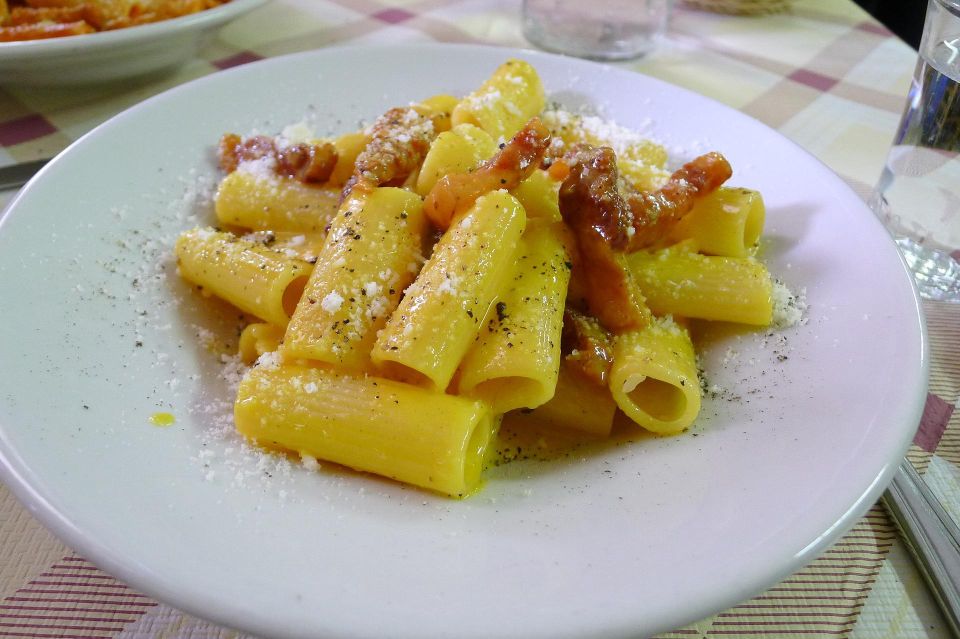
Then comes the big satisfaction moment: your first-course choice. Depending on the flow of the tour that evening, you’ll be offered real Roman pastas such as carbonara, cacio e pepe, amatriciana, or gricia. The fact that you can choose is a big deal for value. You’re not stuck with the same dish as everyone else, and you can pick what sounds best in the moment.
One thing to know: wine expectations can be a little tricky. Some people felt the wine wasn’t a deep tasting; instead it was more of a shared pour experience. That doesn’t make the wine bad, but it does mean you should read the inclusion as paired sips with meals, not a sommelier-style course with multiple distinct pours.
The Tiber Crossing and the Jump to Jewish Ghetto Flavors
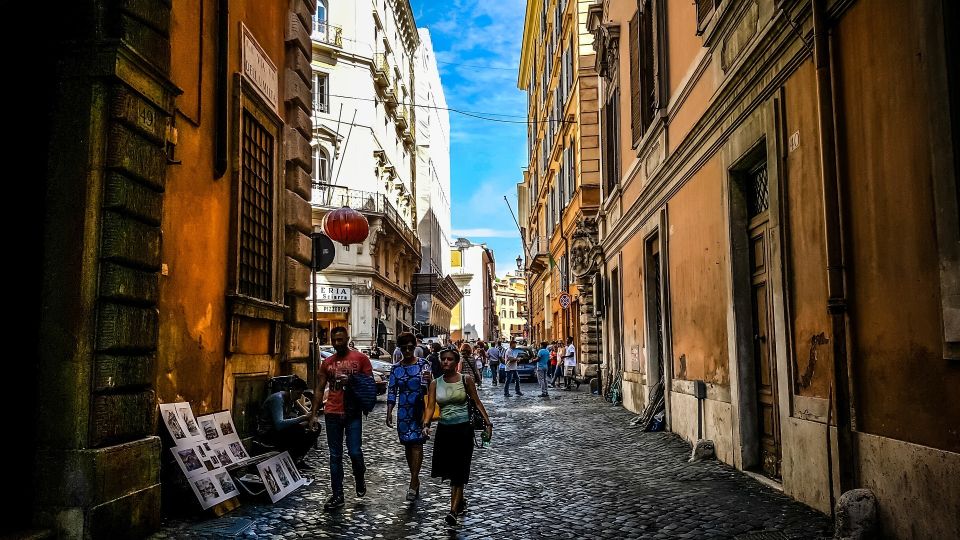
After the Trastevere portion, you’ll stroll toward the Tiber Island area and cross to the other side of the river to enter Jewish Ghetto territory. This is where the tour shifts from “Roman tavern eating” to “Rome as layers”—older streets, different customs, and cuisine shaped by Jewish tradition.
The walk here is partly about geography and partly about texture. You’ll get to see how quickly the city can change once you cross a boundary line, even when everything still feels Roman. And because you’re eating while walking, the transition doesn’t feel like a lecture. It feels like you’re stepping into a new daily rhythm.
Carciofo alla Giudia at a Kosher Spot (What to Expect)
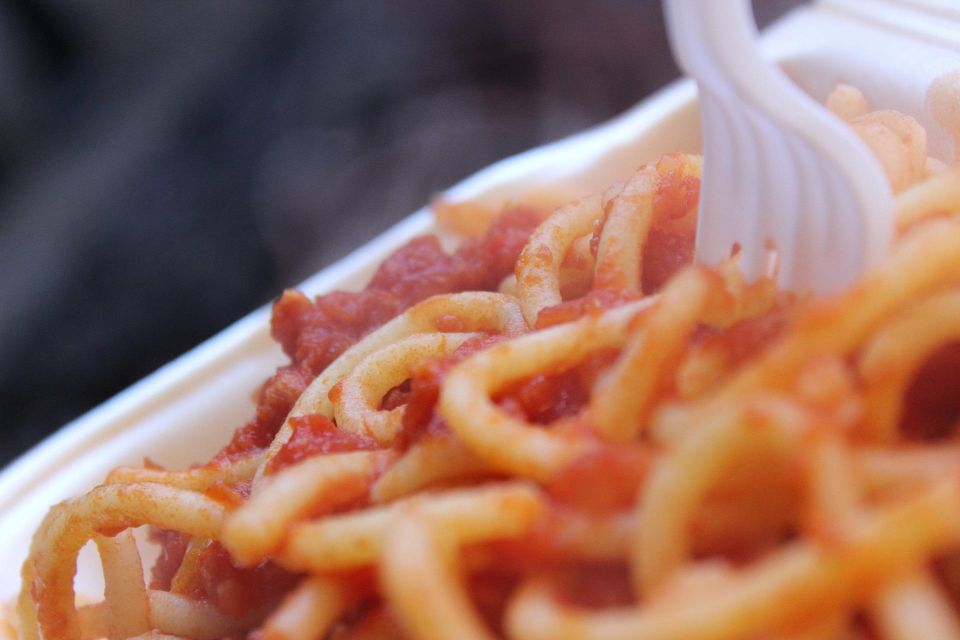
In the Jewish Ghetto area, you’ll taste carciofo alla giudia—deep-fried artichoke in the style tied to Jewish tradition. The tour specifies it’s made at one of the best kosher restaurants in Rome, which is exactly what you want from a guided experience like this. You’re not just ordering a dish that might be touristy; you’re being pointed toward the real thing.
Now, here’s the practical part: artichokes are usually intensely flavored and crisp. If you’re not a fan of fried foods, this could be a lot. But if you enjoy crunchy, salty, slightly smoky bites, this is one of the most memorable stops on the whole route.
One review also mentioned a more basic presentation style at a shop stop, including how items were served. That’s worth keeping in mind: kosher and street-food setups can look rough-and-ready. Don’t let the surface distract you from what’s being made.
Gelato Finish: Sweet Closure Without the Aftertaste
You end with an artisanal gelato. It’s a strong closing move because it cools down the fried and hearty flavors. Plus, gelato at the end works well psychologically: you’ve earned it, and it doesn’t compete with the savory dishes you already ate.
This final bite is also a good sign you’re done right. Some tours squeeze in dessert too early and you lose interest halfway through. Here, the gelato comes after carciofo and the walking stretch, so it feels like a real reward rather than a rushed wrap-up.
Price and Value: What $94 Buys in Food, Wine, and Guidance
At $94 per person, you’re paying for a lot of small, practical things:
- guided walking through Trastevere and the Jewish Ghetto
- included tasting stops (pizza by the slice, supplì, pasta, artichoke, gelato)
- wine tastings plus 1 beer and water
- entry to Santa Maria in Trastevere
That’s the value equation. You’re not just buying food; you’re buying someone to guide the order, explain the neighborhood context, and steer you into the right places so you don’t waste time guessing.
Still, the criticism you should take seriously is the mismatch between expectations and delivery on two fronts:
1) Time: some departures apparently finish around 2 hours rather than 3.
2) Wine format: the wine may be served as small shared pours, not a long tasting.
If your goal is a relaxed, multi-stop “sit and sip” wine education, you might feel underfed on that front. If your goal is classic Roman eating with enough history to make it meaningful, the price can feel fair—especially when the guide is strong.
And the guide quality shows up in the praise repeatedly. Luca’s warmth and knowledge, Tiziana’s patience and explanations, and Alessia’s ability to connect food choices to Roman and neighborhood history all come through as the difference-maker. In Rome, that’s common sense: the best meal is great, but the best meal with context hits harder.
Who Should Book This Tour (and Who Should Skip It)
This tour is a great fit if you:
- want guided eating in two distinct Rome areas instead of one neighborhood and a bunch of wandering
- like classic Roman food like carbonara, plus the less-common-but-fascinating Jewish Ghetto flavors
- enjoy walking and learning in short segments (tasting now, story now, move on)
You may want to skip it if you:
- need celiac-safe options or have lactose intolerance. The tour data flags cross-contamination risk and says it’s not suitable for celiac disease and lactose intolerance.
- have serious food allergies. You’ll need to sign an allergy waiver at the start if you have an allergy, and the tour warns about cross-contamination risk.
- have limited mobility. It’s not recommended for people with limited mobility, and it’s marked as not suitable for mobility impairments.
Also, remember it’s not a transportation-included tour. You’re responsible for getting to Piazza Trilussa.
Practical Tips to Get the Most Out of It
Wear comfortable shoes. This is a walking route with multiple stops.
Go in hungry, but not so hungry that you can’t enjoy the sequence. The food is staged: fried bites early, pasta as the main comfort hit, then artichoke, then gelato.
If you’re a wine person, come with the mindset that it’s included pairing sips with the meal. It’s not described as a long formal tasting session.
Finally, Rome timing matters. If the Jubilee has monuments under restoration, access routes may change. Check your messages before you go so you’re not surprised by detours.
Should You Book This Rome Food and Wine Tour?
I think it’s worth booking if you want an efficient, food-centered look at Trastevere and the Jewish Ghetto, with real Roman classics and one standout traditional Jewish dish. The included Santa Maria in Trastevere stop with the 22 granite columns is a nice bonus, and the guide-driven history piece tends to turn the day from eating to understanding.
Don’t book it expecting a heavy wine course or a guaranteed full 3 hours seated at multiple restaurants. Build in some flexibility on timing, and focus on what you’ll actually eat: pizza by the slice, supplì, a pasta course (possibly carbonara), carciofo alla giudia, and gelato—plus wine and beer.
If you’re confident with walking and can eat the menu safely, this is a fun way to experience Rome with your senses turned on.
FAQ
How long is the Rome food and wine tour?
It’s listed as a 3-hour guided experience.
Where do I meet the guide?
Meet at Piazza Trilussa, in the middle of the square just in front of the stairs. The guide will be carrying a blue flag with the Doooing Experience logo, and you should arrive 15 minutes early.
What food and drinks are included?
The tour includes food tastings, wine tastings, 1 beer, and water. It also includes entry to the Basilica di Santa Maria in Trastevere.
Is transportation included?
No. Transportation is not included.
What languages are the tours offered in?
The live tour guide speaks English and Italian.
Is this tour suitable for celiac disease or lactose intolerance?
No. It’s not suitable for celiac disease and lactose intolerance due to cross-contamination risk.
Are pets allowed?
No, pets are not allowed.
Can I cancel for a full refund?
Yes. Free cancellation is offered up to 24 hours in advance for a full refund.